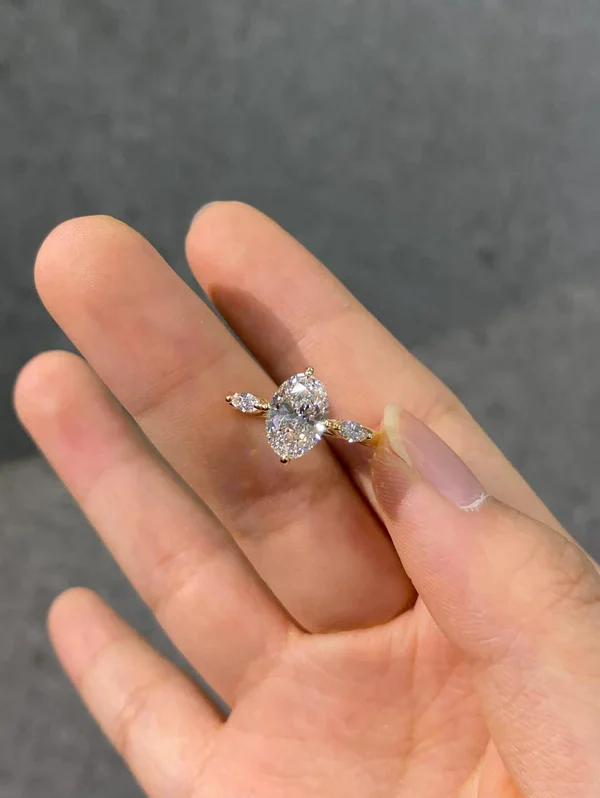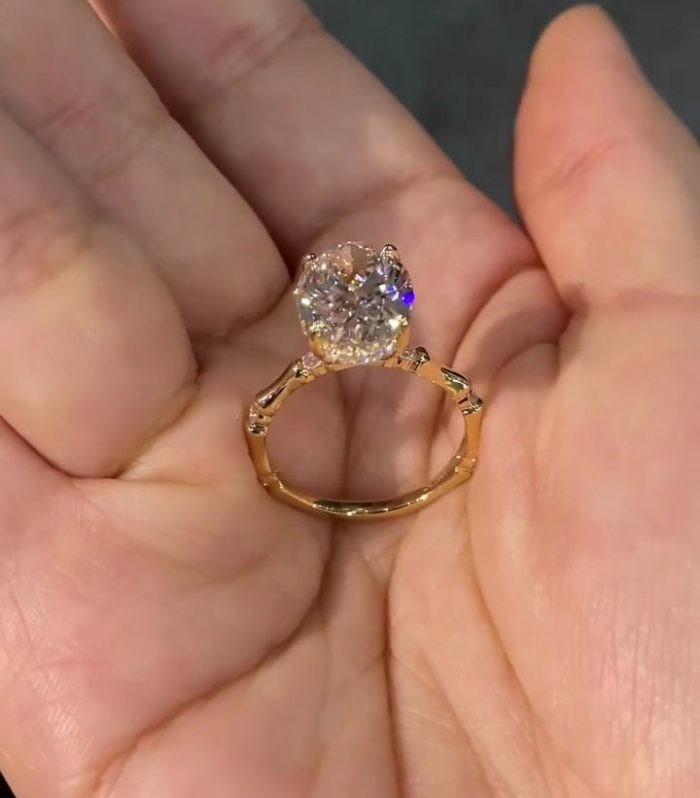
$1,480.00 – $4,280.00Price range: $1,480.00 through $4,280.00
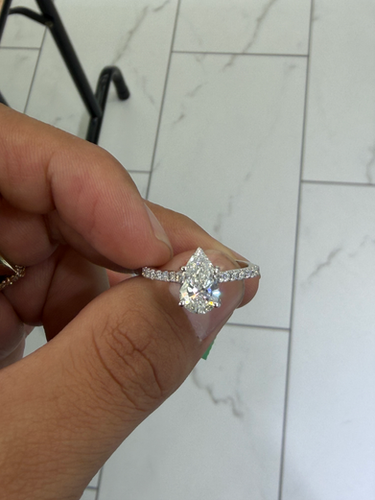
Where classic brilliance meets contemporary elegance. Certified by the Gemological Institute of America.
| Specification | Detail | What It Means |
|---|---|---|
| Diamond Type | Lab-Grown | Chemically identical to natural diamonds |
| Shape | Round Brilliant Cut | The world’s most beloved cut — engineered for maximum sparkle |
| Carat Weight | 1.00 ct | The most classic and sought-after diamond size |
| Cut Grade | Excellent (EX) | Maximum brilliance and light performance |
| Color Grade | D Color | Completely colorless — the finest grade possible |
| Clarity Grade | VS1 | Inclusions invisible to the naked eye |
| Setting | 18K White Gold & Rose Gold | A modern two-tone combination — durable and uniquely beautiful |
| Production Time | 1–2 Weeks | Handcrafted to order |
Free Worldwide Shipping Every order ships free to all countries and regions — no minimum spend, no hidden fees.
Fast International Delivery All orders are dispatched via FedEx or DHL Express Priority. International shipments typically arrive within 3–5 business days. The moment your order ships, our team will email you a tracking number so you can follow your package in real time.
30-Day Hassle-Free Returns Not completely in love with your ring? Return it within 30 days — no questions asked. We cover all return shipping costs in full.
Lab-grown diamonds have transformed fine jewelry over the past decade. They offer the same certified brilliance and quality as naturally mined diamonds — at a price that makes exceptional stones genuinely accessible. Here’s everything you need to know before you buy.
Lab-grown diamonds — also called synthetic or cultured diamonds — are real diamonds, not simulants or imitations. They share the exact same physical, chemical, and optical properties as naturally mined diamonds. The only difference is their origin: grown in a controlled laboratory environment rather than forming deep within the earth over millions of years.
Because they can be produced at scale, lab-grown diamonds are significantly more affordable than mined stones — allowing buyers to prioritize the quality factors that truly matter, like an Excellent cut and D color, without the premium attached to natural mining.
Two primary methods are used to create laboratory diamonds:
Chemical Vapor Deposition (CVD) A diamond seed is placed inside a vacuum chamber filled with carbon-rich gases. When heated to temperatures between 700°C and 900°C, carbon atoms deposit onto the seed layer by layer, gradually forming a full diamond crystal. This method allows for precise control over purity and growth quality, making it one of the most widely used production techniques today.
High Pressure High Temperature (HPHT) This method replicates the natural diamond formation process by applying extreme pressure and heat to a diamond seed, causing the crystal to grow outward — closely mimicking the intense conditions found deep within the Earth’s mantle.
Once grown, the rough diamond is cut and polished by skilled craftspeople using the same techniques applied to naturally mined stones. There is theoretically no upper limit to the size or quantity of diamonds that can be produced this way.
It’s one of the most common questions buyers ask — and an honest answer requires looking at both sides.
Supply Chain Transparency Lab-grown diamonds are far easier to trace from creation to finished product, offering greater assurance around worker conditions and human rights. This is a significant advantage over some mined diamonds, where verifying every step of the supply chain can be challenging.
Environmental Considerations Lab diamond production requires substantial energy. Some studies suggest lab-grown diamonds generate higher greenhouse gas emissions per carat than mined diamonds — though these figures vary considerably depending on the energy source, country of production, and manufacturing method used. It’s also worth noting that much of the widely cited research has been commissioned by the natural diamond mining industry. Mined diamonds carry their own environmental costs, including land disruption, water consumption, and ecosystem damage.
Economic Impact on Mining Communities Natural diamond mining supports entire national economies. Botswana, for example, has relied on diamond revenue since 1967 to fund education, healthcare, and infrastructure — becoming one of the fastest-growing economies in the world. Lab-grown diamonds do not generate this economic contribution to mining communities.
The reality is that no diamond — lab-grown or mined — has a perfect footprint. What lab-grown diamonds do offer is greater supply chain transparency, lower cost, and no risk of conflict-origin sourcing.
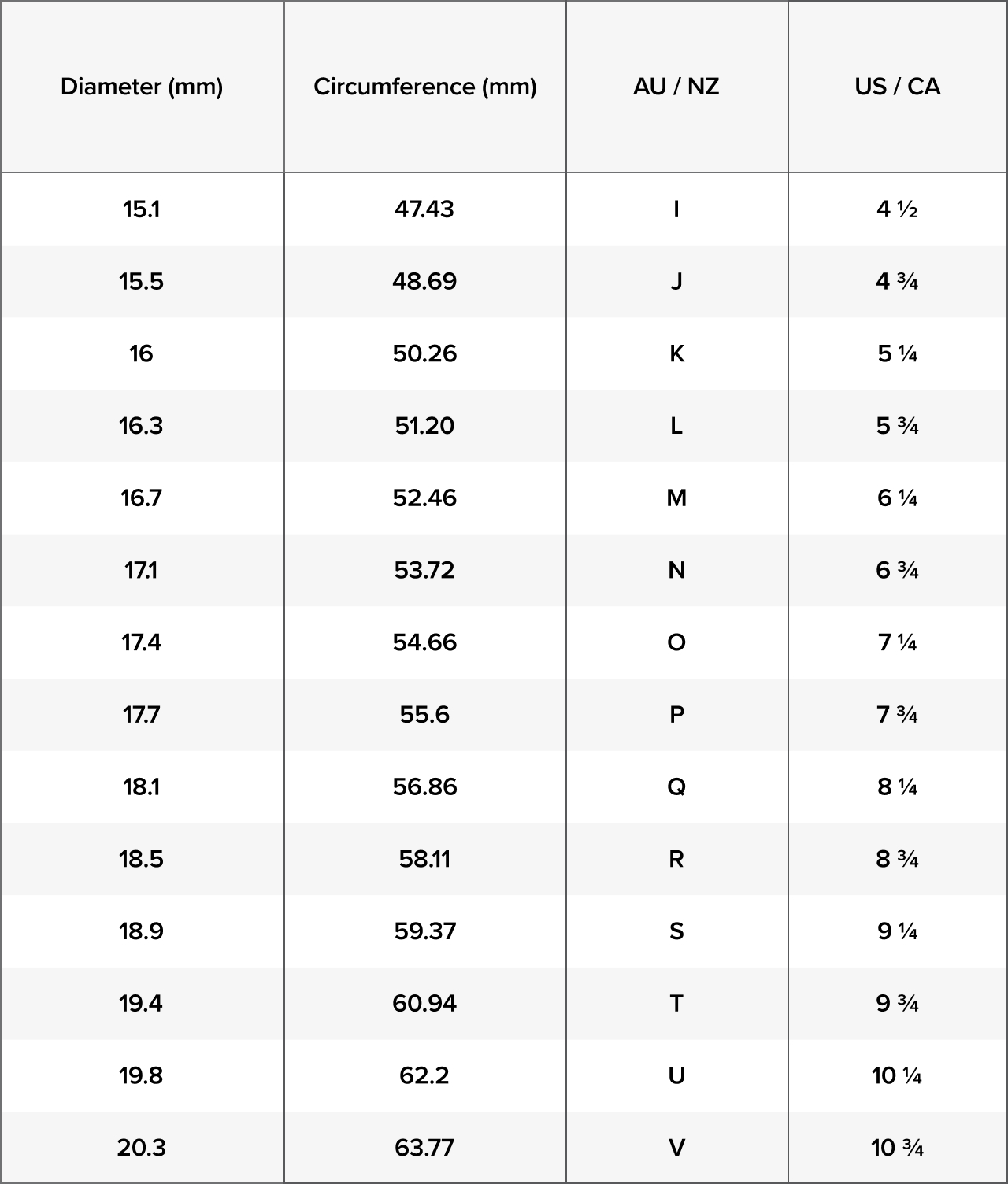
| Ring size | 3, 3.5, 4, 4.5, 5, 5.5, 6, 6.5, 7, 7.5, 8, 8.5, 9, 9.5, 10, 10.5, 11, 11.5, 12 |
|---|---|
| Carat size | 1carat, 2carat, 3carat, 4carat, 5carat |
| Metal | 18K White Gold / 18K Rose Gold |
Subtotal: $150,946.95
Reviews
There are no reviews yet.