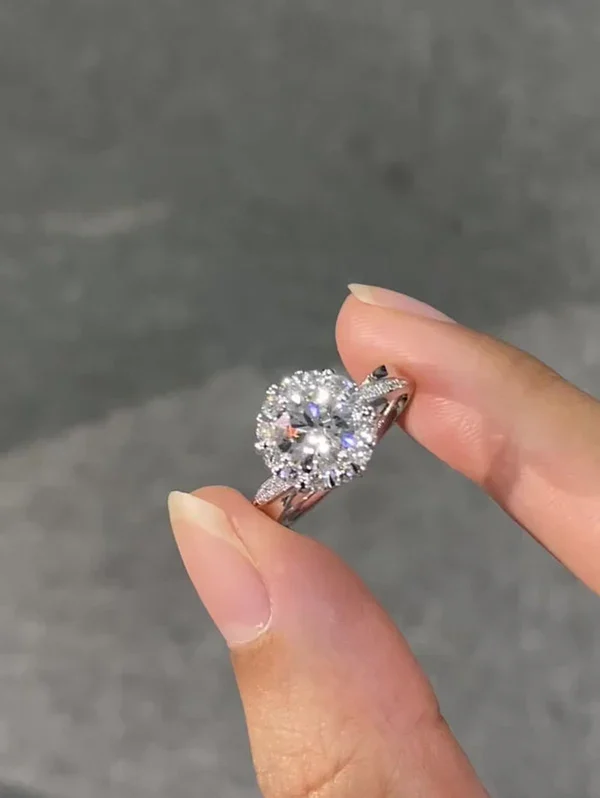
2 Carat Pear Brilliant Cut Lab-Grown Diamond Ring | D Color · VS1 · 18K Gold
Sophisticated. Striking. Certified by the Gemological Institute of America.
Product Specifications
| Specification |
Detail |
What It Means |
| Diamond Type |
Lab-Grown |
Chemically identical to natural diamonds |
| Shape |
Pear Brilliant Cut |
Elegant teardrop silhouette — elongating and uniquely flattering |
| Carat Weight |
2.00 ct |
A generous, eye-catching stone with luxurious presence |
| Cut Grade |
Excellent (EX) |
Maximum brilliance and light performance |
| Color Grade |
D Color |
Completely colorless — the finest grade possible |
| Clarity Grade |
VS1 |
Inclusions invisible to the naked eye |
| Setting |
18K Gold |
Timeless, durable, and richly lustrous |
| Production Time |
1–2 Weeks |
Handcrafted to order |
Shipping & Returns
Free Worldwide Shipping Every order ships free to all countries and regions — no minimum spend, no hidden charges.
Fast International Delivery All orders are dispatched via FedEx or DHL Express Priority. International shipments typically arrive within 3–5 business days. The moment your order ships, our team will email you a tracking number so you can follow your package every step of the way.
30-Day Hassle-Free Returns Not completely in love with your ring? Return it within 30 days — no questions asked. We cover all return shipping costs in full.
A Complete Guide to Lab-Grown Diamonds
Lab-grown diamonds have transformed fine jewelry over the past decade. They deliver the same certified brilliance and quality as naturally mined diamonds — at a price that makes larger, exceptional stones genuinely attainable. Here’s everything you need to know before you buy.
What Are Lab-Grown Diamonds?
Lab-grown diamonds — also called synthetic or cultured diamonds — are real diamonds, not imitations or simulants. They share the exact same physical, chemical, and optical properties as naturally mined diamonds. The only difference is their origin: grown in a controlled laboratory environment rather than forming deep within the earth over millions of years.
Because they can be produced at scale, lab-grown diamonds are significantly more affordable than mined stones — making a 2-carat pear brilliant diamond like this one genuinely accessible without sacrificing a single point of quality.
How Are Lab-Grown Diamonds Made?
Two primary methods are used to grow diamonds in a laboratory:
Chemical Vapor Deposition (CVD) A diamond seed is placed inside a vacuum chamber filled with carbon-rich gases. When heated to temperatures between 700°C and 900°C, carbon atoms deposit onto the seed layer by layer — gradually building up into a complete diamond crystal. Think of it as a fine carbon mist slowly solidifying into one of the world’s most prized gemstones. This method allows for precise control over growth quality and is among the most widely used production techniques today.
High Pressure High Temperature (HPHT) This method replicates the natural diamond formation process by applying extreme pressure and heat to a diamond seed, causing the crystal to grow outward — closely mimicking the intense conditions found deep within the Earth’s mantle.
Once grown, the rough diamond is cut and polished by skilled craftspeople using the same expert techniques applied to naturally mined stones. There is theoretically no upper limit to the size or quantity of diamonds that can be created this way.
Are Lab-Grown Diamonds More Ethical?
It’s one of the most important questions buyers ask — and an honest answer requires weighing both sides fairly.
Supply Chain Transparency Lab-grown diamonds are far easier to trace from production to purchase, providing much greater confidence around worker safety and human rights. This is a significant advantage over some mined diamonds, where verifying every stage of the supply chain can be challenging.
Environmental Considerations Lab diamond production is energy-intensive. Some studies suggest lab-grown diamonds generate higher greenhouse gas emissions per carat than mined diamonds — though these figures vary considerably depending on the energy source, country of production, and manufacturing method. It’s important to note that much of the widely cited research in this area has been commissioned by the natural diamond mining industry. Mined diamonds also carry their own substantial environmental costs, including land disruption, water use, and habitat damage.
Economic Impact on Mining Communities Natural diamond mining plays a vital economic role in countries like Botswana, which has relied on diamond revenue since 1967 to fund education, healthcare, and infrastructure — becoming one of the fastest-growing economies in the world as a result. Lab-grown diamonds do not contribute to these mining-dependent communities.
Neither choice is without trade-offs. What lab-grown diamonds consistently offer is greater traceability, lower cost, and freedom from conflict-origin concerns — increasingly important factors for today’s informed buyers.
Can You Tell a Lab-Grown Diamond From a Natural One?
No — and neither can most trained gemologists without specialist equipment. Lab-grown and natural diamonds are physically and chemically identical. Standard jewelry tools cannot distinguish between the two; only advanced spectroscopic analysis can reveal their different origins.
Every lab-grown diamond we sell comes with an official GIA (Gemological Institute of America) grading report, which fully documents the stone’s origin, cut, color, clarity, and carat weight — providing complete transparency and lasting confidence in your purchase.
Do the 4Cs Still Matter for Lab-Grown Diamonds?
Absolutely — and they matter every bit as much as they do for natural diamonds. Lab-grown diamonds are not automatically flawless. Inclusions can form during the growth process, and quality varies considerably from stone to stone. The 4Cs remain your most reliable guide when evaluating any diamond:
Cut — The most important factor for a diamond’s beauty and visual impact. An Excellent (EX) cut grade — the highest achievable — means every facet is precisely angled to capture and reflect light to its fullest potential, delivering exceptional brilliance and fire.
Color — Graded from D (completely colorless) to Z (visibly yellow). This stone is D color — the rarest and most coveted grade, with absolutely no color tint. In a warm gold setting, a D color diamond creates a stunning contrast that makes the stone appear especially vivid and luminous.
Clarity — At VS1, inclusions are extremely difficult to detect even under 10× magnification and completely invisible to the naked eye. A premium clarity grade that guarantees a clean, beautiful stone under any lighting condition.
Carat — At 2 carats, the pear brilliant cut offers exceptional visual impact. The elongated teardrop shape naturally makes the diamond appear larger than a round stone of equivalent weight — giving you striking presence and impressive finger coverage in one elegant form.
Why the Pear Cut at 2 Carats Is Truly Special
The pear brilliant cut is one of the most distinctive and romantically striking diamond shapes in fine jewelry. Its graceful teardrop silhouette — pointed at one end, softly rounded at the other — creates a look that is simultaneously bold and refined, classic and contemporary.
At 2 carats, the pear cut reaches its full potential. The elongated shape dramatically enhances the perceived size of the stone, making it appear noticeably larger on the finger than a round diamond of the same weight. It also creates a natural slimming and lengthening effect on the hand — one of the reasons the pear cut has long been a favorite of those who want both beauty and presence.
Set in 18K gold, the warm richness of the metal complements the diamond’s colorless brilliance beautifully — creating a combination that feels both luxurious and timelessly elegant. Whether worn as a solitaire or paired with accent stones, this ring makes a statement that is impossible to overlook.
Is a Lab-Grown Diamond Right for You?
If you want a truly distinctive ring that combines exceptional certified quality with striking visual impact and smart value, this 2-carat pear brilliant lab-grown diamond ring is an outstanding choice. You receive a genuine D color, VS1 clarity, Excellent cut diamond — backed by a full GIA certificate — in one of the most beautiful and flattering diamond shapes available.
Whether chosen as an engagement ring, a landmark anniversary gift, or a personal statement of refined taste, this ring is built to be admired, cherished, and worn with pride for a lifetime.




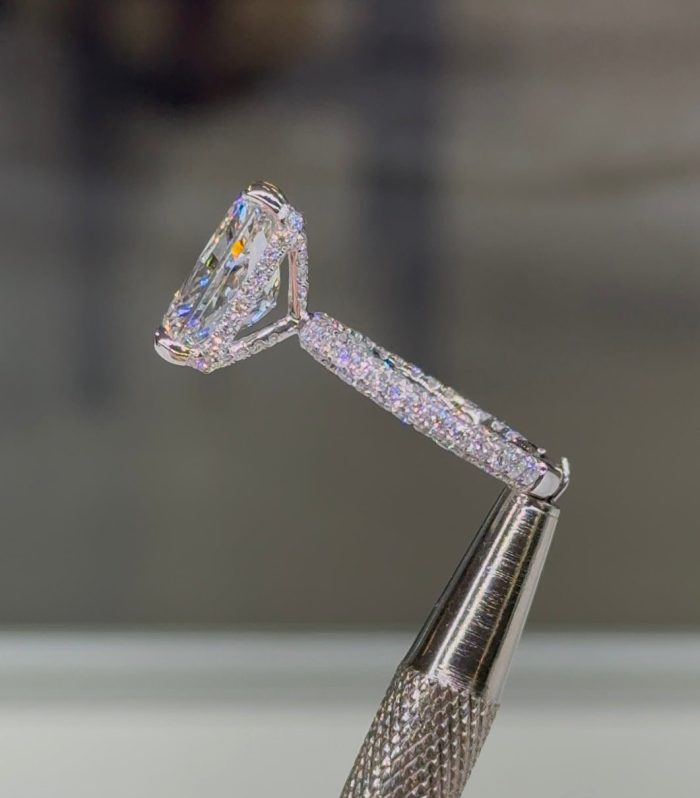 The Raquel Radiant cut
$3,995.00
The Raquel Radiant cut
$3,995.00
 3ct lab pear engagement ring
$2,200.00
3ct lab pear engagement ring
$2,200.00
 4 Carat Total Round Brilliant 4 Prong Studs
$1,695.00
4 Carat Total Round Brilliant 4 Prong Studs
$1,695.00
 1.5ct lab marquee ring
$1,500.00
1.5ct lab marquee ring
$1,500.00
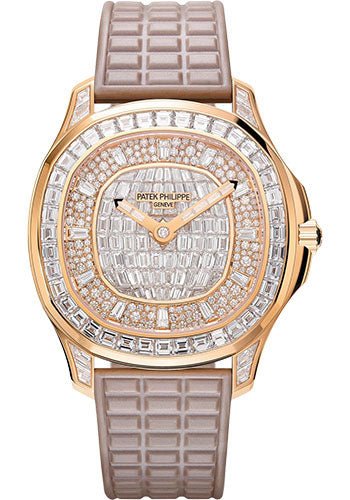 Patek Philippe Aquanaut Luce Haute Joaillerie 38.8mm Rose Gold Diamonds Reference # 5062/450R-001
$301,892.95
Patek Philippe Aquanaut Luce Haute Joaillerie 38.8mm Rose Gold Diamonds Reference # 5062/450R-001
$301,892.95
 Audemars Piguet “50TH ANNIVERSARY” White Dial Rose Gold
$120,756.95
Audemars Piguet “50TH ANNIVERSARY” White Dial Rose Gold
$120,756.95
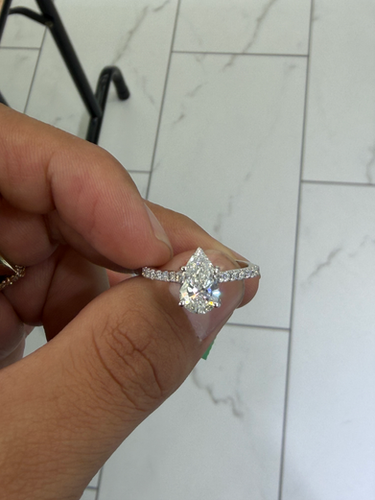 1.5ct lab pear ring
$1,500.00
1.5ct lab pear ring
$1,500.00
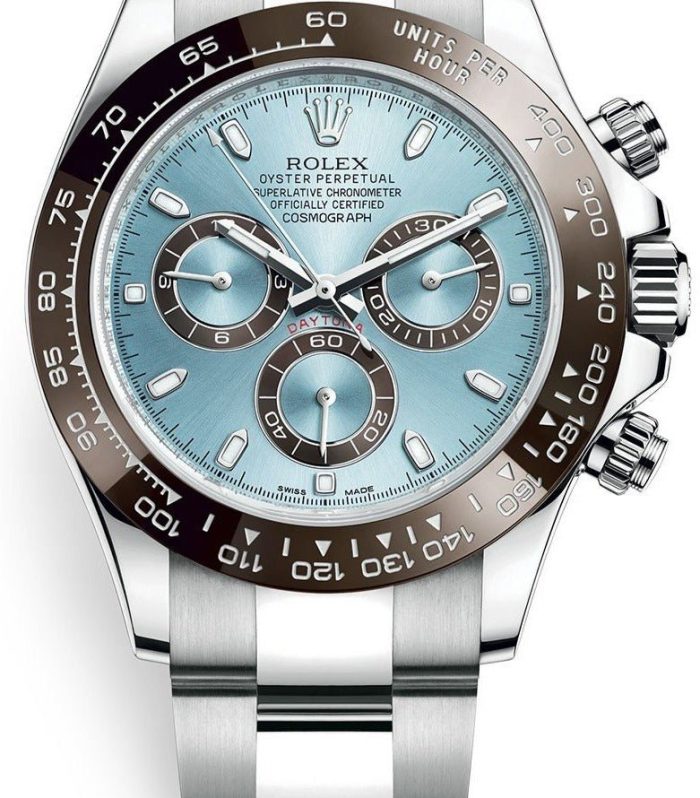 Rolex 950 Platinum Cosmograph Daytona 40 Watch - Ice Blue Index Dial (Ref # 116506)
$86,254.95
Rolex 950 Platinum Cosmograph Daytona 40 Watch - Ice Blue Index Dial (Ref # 116506)
$86,254.95
 2.96ct lab radiant engagement ring
$3,500.00
2.96ct lab radiant engagement ring
$3,500.00
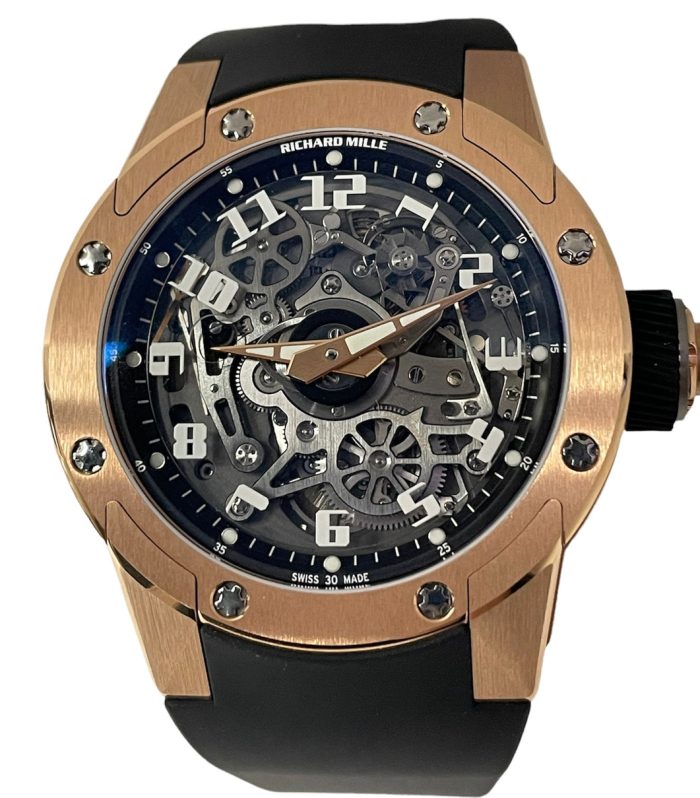 Richard Mille Automatic Winding "Dizzy Hands" (Ref # RM63-01)
$150,946.95
Richard Mille Automatic Winding "Dizzy Hands" (Ref # RM63-01)
$150,946.95
 Patek Philippe Twenty~4 (Ref# 4910/1200A-011)
$16,388.95
Patek Philippe Twenty~4 (Ref# 4910/1200A-011)
$16,388.95
 The Emma
$6,495.00
The Emma
$6,495.00
 Patek Philippe Calatrava Pilot Travel Time Rose Gold/ Brown Sunburst Dial (Ref#5524R-001)
$40,971.95
Patek Philippe Calatrava Pilot Travel Time Rose Gold/ Brown Sunburst Dial (Ref#5524R-001)
$40,971.95
 Patek Philippe World Time Complicated Chronograph White Gold/ Blue Dial (Ref#5930G-010)
$52,615.95
Patek Philippe World Time Complicated Chronograph White Gold/ Blue Dial (Ref#5930G-010)
$52,615.95
Reviews
There are no reviews yet.