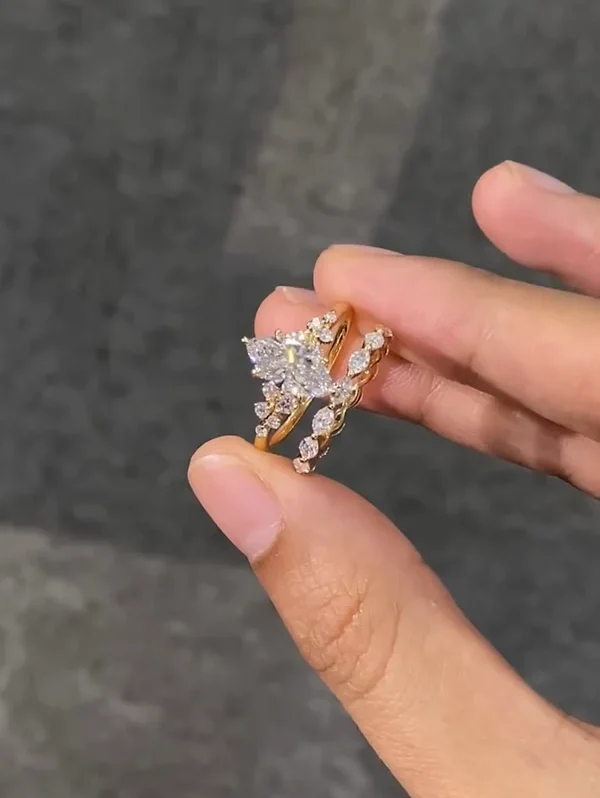
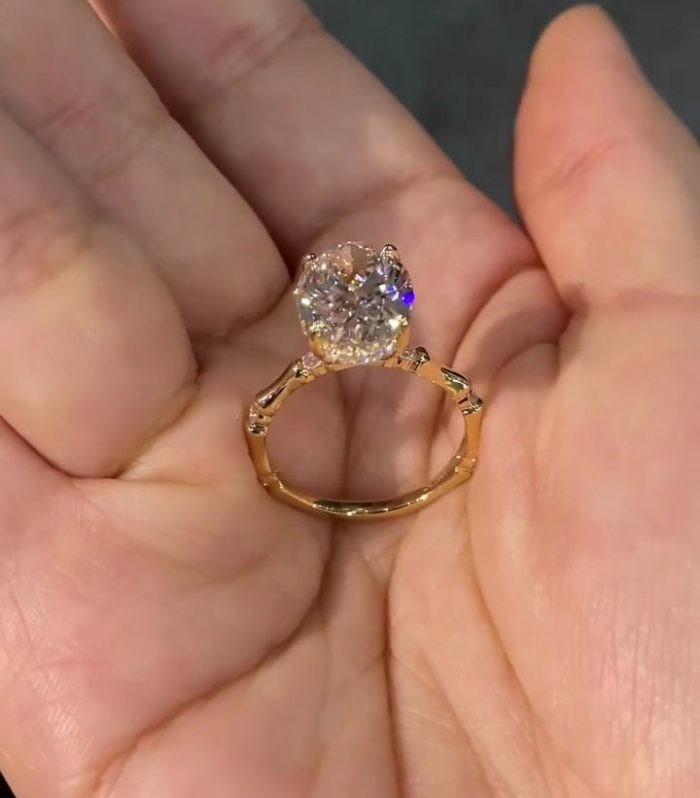
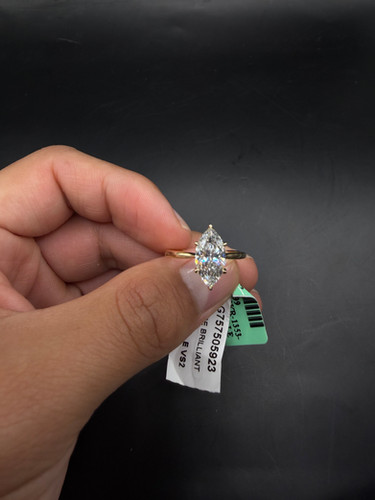
1 Carat Marquise Cut Lab-Grown Diamond Ring | D Color · VS1 · 18K White Gold
Refined. Distinctive. Designed for timeless elegance.
Product Specifications
| Specification |
Detail |
What It Means |
| Diamond Type |
Lab-Grown |
Chemically identical to natural diamonds |
| Shape |
Marquise Cut |
Elongated silhouette with pointed ends for a dramatic look |
| Carat Weight |
1.00 ct |
Balanced size offering elegance and everyday wearability |
| Cut Grade |
Excellent (EX) |
Ensures maximum brilliance and light performance |
| Color Grade |
D Color |
Completely colorless — the highest grade available |
| Clarity Grade |
VS1 |
Inclusions are extremely difficult to detect under 10× magnification |
| Setting |
18K White Gold |
Durable, radiant, and modern finish |
| Production Time |
1–2 Weeks |
Handcrafted to order |
Shipping & Returns
Free Worldwide Shipping
We provide free shipping to all countries and regions — no minimum purchase required and no hidden fees.
Fast International Delivery
All orders are shipped via FedEx or DHL Express Priority. International delivery typically takes 3–5 business days depending on your location. Once your order is dispatched, you will receive a tracking number via email to monitor your shipment.
30-Day Hassle-Free Returns
Not completely satisfied? Return your ring within 30 days — no questions asked. We cover all return shipping costs.
A Complete Guide to Lab-Grown Diamonds
Lab-grown diamonds have become increasingly popular over the past decade as a more accessible alternative to natural diamonds. They deliver the same brilliance and beauty while allowing buyers to choose high-quality stones at a more attractive price point.
What Are Lab-Grown Diamonds?
Lab-grown diamonds, also known as synthetic diamonds, are real diamonds created in controlled environments. They share the same physical, chemical, and optical properties as natural diamonds.
The key difference is origin — instead of forming naturally over millions of years beneath the Earth’s surface, they are produced in laboratories using advanced technology. This process allows for greater availability and more competitive pricing.
How Are Lab-Grown Diamonds Made?
Two main methods are used to create lab-grown diamonds:
Chemical Vapor Deposition (CVD)
A diamond seed is placed in a vacuum chamber filled with carbon-rich gases. When heated to temperatures between 700°C and 900°C, carbon atoms gradually accumulate on the seed, forming a diamond crystal layer by layer.
High Pressure High Temperature (HPHT)
This method replicates natural diamond formation by applying intense heat and pressure to a seed diamond, allowing it to grow into a larger crystal.
Once formed, the rough diamond is cut and polished to achieve its final brilliance. There is virtually no limit to the size or quantity of diamonds that can be produced using these techniques.
Are Lab-Grown Diamonds More Ethical?
Supply Chain Transparency
Lab-grown diamonds are easier to trace, offering greater visibility into sourcing and production practices, including worker conditions.
Environmental Considerations
The production process requires significant energy, and environmental impact varies depending on energy sources and manufacturing methods. Natural diamond mining also has environmental consequences such as land disruption and resource consumption.
Economic Impact
Natural diamond mining supports economic growth in countries like Botswana, contributing to infrastructure, healthcare, and employment. Lab-grown diamonds do not provide the same regional economic benefits.
Both options have advantages and limitations, but lab-grown diamonds stand out for transparency and affordability.
Can You Tell the Difference?
It is extremely difficult to distinguish a lab-grown diamond from a natural one without specialized equipment. Even trained professionals require advanced tools to identify subtle differences.
The most reliable way to verify a diamond’s origin is through an official grading report, which provides complete transparency regarding its characteristics.
Do the 4Cs Still Matter for Lab-Grown Diamonds?
Yes — the 4Cs remain the most important factors when evaluating any diamond:
Cut
An Excellent (EX) cut ensures optimal brilliance and sparkle by maximizing light reflection.
Color
D color represents the highest grade, meaning the diamond is completely colorless and exceptionally rare.
Clarity
VS1 clarity indicates that inclusions are extremely difficult to detect, even under magnification.
Carat
At 1 carat, this diamond offers a refined balance between size and elegance, making it suitable for both everyday wear and special occasions.
Why the Marquise Cut at 1 Carat Is Unique
The marquise cut is known for its elongated shape with pointed ends, creating a distinctive and elegant appearance. This design maximizes the perceived size of the diamond, making it appear larger than other shapes of the same carat weight.
At 1 carat, the marquise cut delivers a sophisticated and graceful look. Its elongated form also creates a slimming effect on the finger, enhancing overall elegance.
Set in 18K white gold, the bright metal enhances the diamond’s colorless brilliance, resulting in a clean, modern, and timeless aesthetic.
Is a Lab-Grown Diamond Right for You?
If you are looking for a high-quality diamond that combines beauty, value, and modern craftsmanship, a lab-grown diamond is an excellent choice.
This 1-carat marquise cut diamond ring offers D color, VS1 clarity, and an Excellent cut — delivering exceptional brilliance and refined style at an accessible price.
Whether chosen as an engagement ring, a meaningful gift, or a personal statement piece, this ring is designed to be admired and worn for years to come.



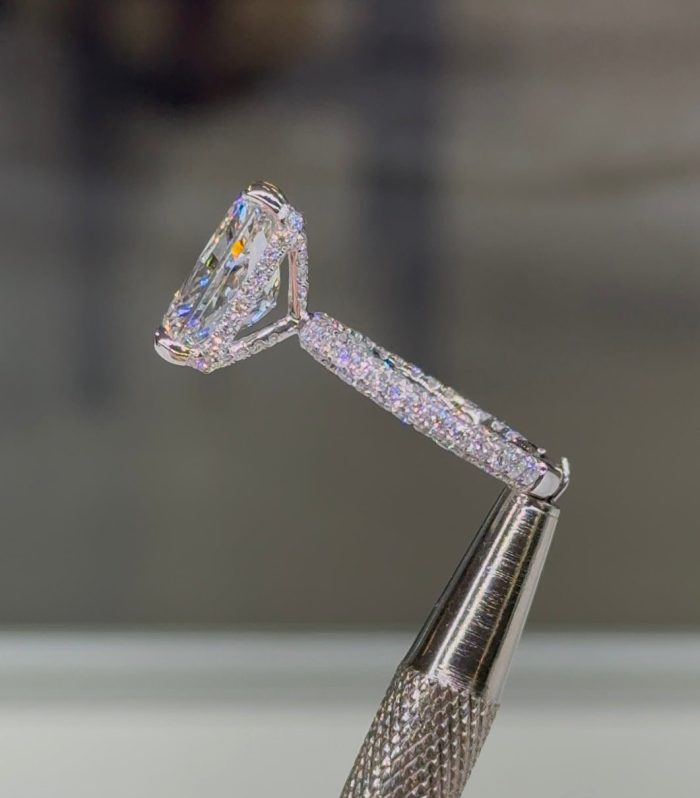 The Raquel Radiant cut
$3,995.00
The Raquel Radiant cut
$3,995.00
 3ct lab pear engagement ring
$2,200.00
3ct lab pear engagement ring
$2,200.00
 4 Carat Total Round Brilliant 4 Prong Studs
$1,695.00
4 Carat Total Round Brilliant 4 Prong Studs
$1,695.00
 1.5ct lab marquee ring
$1,500.00
1.5ct lab marquee ring
$1,500.00
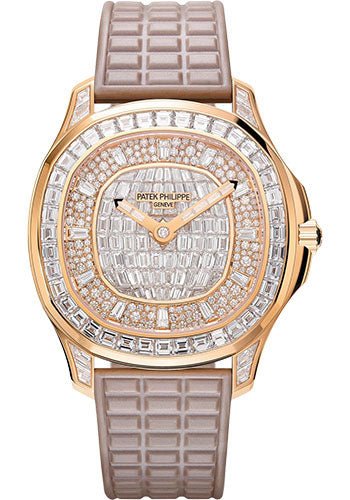 Patek Philippe Aquanaut Luce Haute Joaillerie 38.8mm Rose Gold Diamonds Reference # 5062/450R-001
$301,892.95
Patek Philippe Aquanaut Luce Haute Joaillerie 38.8mm Rose Gold Diamonds Reference # 5062/450R-001
$301,892.95
 Audemars Piguet “50TH ANNIVERSARY” White Dial Rose Gold
$120,756.95
Audemars Piguet “50TH ANNIVERSARY” White Dial Rose Gold
$120,756.95
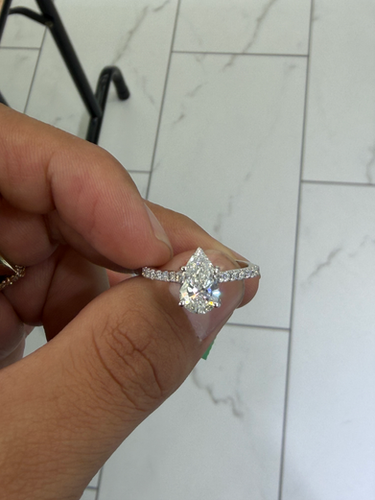 1.5ct lab pear ring
$1,500.00
1.5ct lab pear ring
$1,500.00
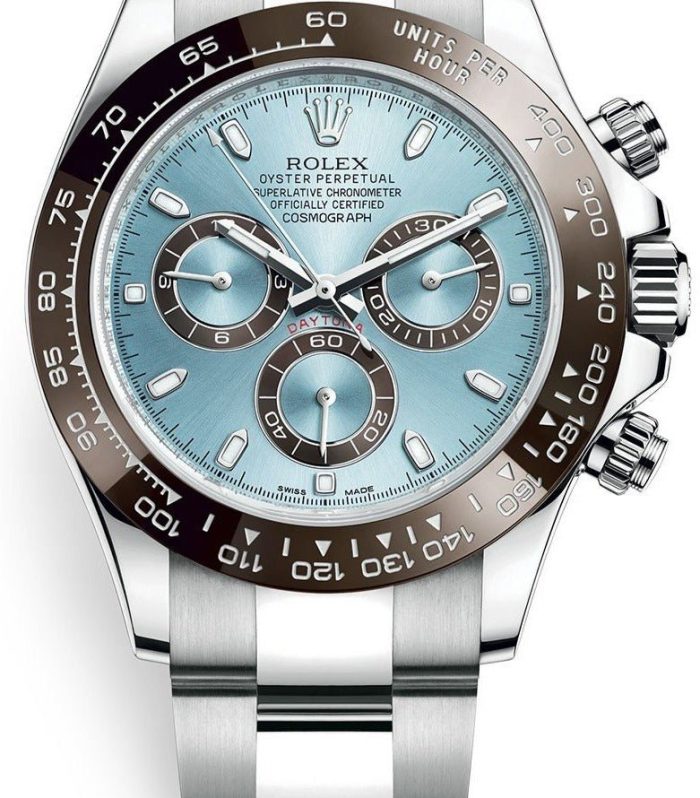 Rolex 950 Platinum Cosmograph Daytona 40 Watch - Ice Blue Index Dial (Ref # 116506)
$86,254.95
Rolex 950 Platinum Cosmograph Daytona 40 Watch - Ice Blue Index Dial (Ref # 116506)
$86,254.95
Reviews
There are no reviews yet.