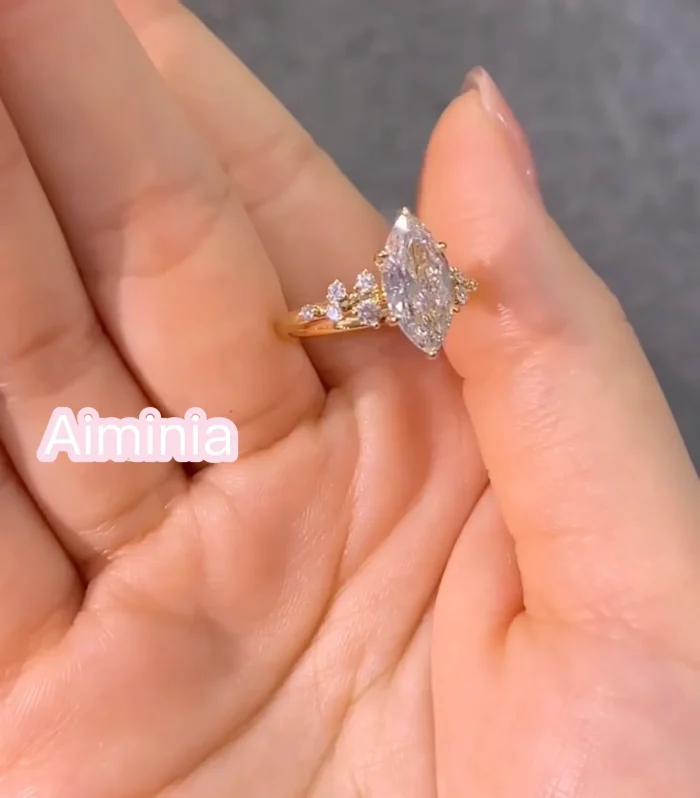
1 Carat Pear Brilliant Cut Lab-Grown Diamond Ring | D Color · VS1 · 18K Gold
Refined. Elegant. Designed for timeless brilliance.
Product Specifications
| Specification |
Detail |
What It Means |
| Diamond Type |
Lab-Grown |
Chemically identical to natural diamonds |
| Shape |
Pear Brilliant Cut |
Elegant teardrop silhouette — flattering and elongated appearance |
| Carat Weight |
1.00 ct |
Balanced size with refined brilliance and everyday luxury |
| Cut Grade |
Excellent (EX) |
Maximizes sparkle, fire, and light reflection |
| Color Grade |
D Color |
Completely colorless — the highest possible grade |
| Clarity Grade |
VS1 |
Inclusions extremely difficult to detect under 10× magnification |
| Setting |
18K Gold |
Strong, durable, and beautifully lustrous |
| Production Time |
1–2 Weeks |
Crafted to order with precision |
Shipping & Returns
Free Worldwide Shipping
We provide free shipping to all countries and regions with no hidden fees or minimum order requirements.
Fast International Delivery
All orders are shipped via FedEx or DHL Express Priority. Delivery typically takes 3–5 business days depending on your location. Once your order ships, you will receive a tracking number via email to monitor your shipment.
30-Day Hassle-Free Returns
If you are not fully satisfied, return your ring within 30 days — no questions asked. We cover all return shipping costs.
A Complete Guide to Lab-Grown Diamonds
Lab-grown diamonds have become increasingly popular over the past decade as a more accessible alternative to natural diamonds. They offer the same brilliance and beauty while making high-quality diamonds more attainable.
What Are Lab-Grown Diamonds?
Lab-grown diamonds, also known as synthetic diamonds, are real diamonds created in controlled laboratory environments. They have the same physical, chemical, and optical properties as natural diamonds.
The key difference is origin. Instead of forming naturally over millions of years, lab diamonds are produced in a much shorter time. Because they can be manufactured at scale, they are typically more affordable, although some buyers perceive them as having less rarity or long-term value.
How Are Lab-Grown Diamonds Made?
Two primary methods are used:
Chemical Vapor Deposition (CVD)
A diamond seed is placed in a vacuum chamber filled with carbon-rich gases. At temperatures between 700°C and 900°C, carbon atoms gradually accumulate onto the seed, forming a diamond crystal layer by layer.
High Pressure High Temperature (HPHT)
This method replicates the natural diamond formation process by applying extreme heat and pressure to a diamond seed, allowing the crystal to grow under conditions similar to those deep within the Earth.
After formation, the rough diamond is cut and polished to achieve its final brilliance. There is virtually no limit to the size and quantity of diamonds that can be produced.
Are Lab-Grown Diamonds More Ethical?
This is a complex topic with multiple perspectives:
Supply Chain Transparency
Lab-grown diamonds are easier to trace, offering greater clarity regarding sourcing, labor practices, and working conditions.
Environmental Considerations
Producing lab-grown diamonds requires significant energy. Some studies suggest higher greenhouse gas emissions compared to mined diamonds, though results vary depending on energy sources and production methods. Natural diamond mining also has environmental impacts, including land disruption and resource consumption.
Economic Impact
Natural diamond mining supports economies in countries such as Botswana, contributing to infrastructure, healthcare, and employment. Lab-grown diamonds do not provide the same economic benefits to these regions.
Both options have advantages and trade-offs. Lab-grown diamonds offer affordability and transparency, while natural diamonds contribute more directly to mining economies.
Can You Tell a Lab-Grown Diamond From a Natural One?
It is extremely difficult to distinguish between lab-grown and natural diamonds without specialized equipment. Even professionals require advanced tools to identify subtle differences.
The most reliable way to confirm a diamond’s origin is through certification. Each diamond includes a grading report that verifies its characteristics.
Do the 4Cs Still Matter for Lab-Grown Diamonds?
Yes. The 4Cs remain essential when evaluating any diamond:
Cut
An Excellent (EX) cut ensures optimal brilliance and light performance.
Color
D color represents the highest grade, meaning the diamond is completely colorless.
Clarity
VS1 clarity indicates that inclusions are extremely difficult to detect, even under magnification.
Carat
At 1 carat, this diamond offers a perfect balance of elegance, brilliance, and everyday wearability.
Why the Pear Cut at 1 Carat Is Special
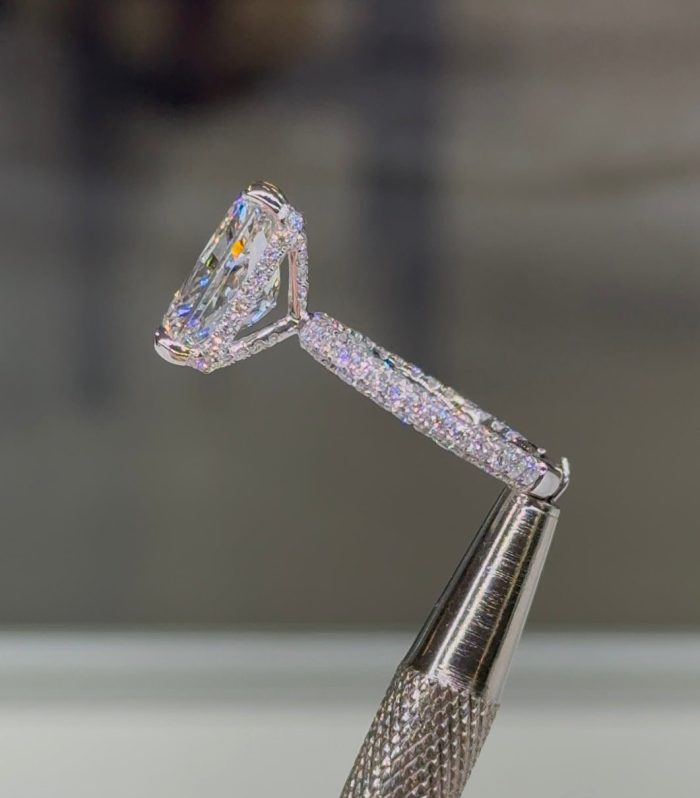
The pear brilliant cut is known for its unique teardrop shape, combining round and marquise elements into one elegant design. It creates a flattering, elongated look on the finger and appears slightly larger than many other shapes of the same carat weight.
At 1 carat, the pear cut delivers refined brilliance without being overpowering, making it ideal for both minimalist and statement styles.
Set in 18K gold, the warm tone of the metal enhances the diamond’s colorless brilliance, resulting in a timeless and sophisticated appearance.
Is a Lab-Grown Diamond Right for You?
If you are looking for a high-quality diamond with exceptional beauty at a more accessible price, a lab-grown diamond is an excellent choice.
This 1-carat pear brilliant lab-grown diamond ring features D color, VS1 clarity, and an Excellent cut — offering outstanding brilliance and value.
Whether chosen for an engagement, a gift, or personal jewelry, this ring delivers elegance, durability, and lasting appeal.

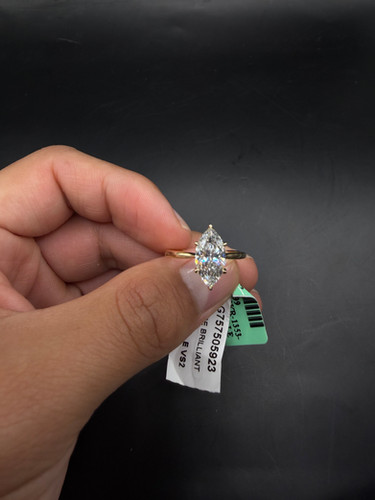 2.5ct lab marquise engagement ring
$2,000.00
2.5ct lab marquise engagement ring
$2,000.00




Reviews
There are no reviews yet.