3 Carat Pear Brilliant Cut Lab-Grown Diamond Ring | D Color · VS1 · 18K White Gold
Exceptional brilliance. Ethically created. Certified by the Gemological Institute of America.
Product Specifications
| Specification |
Detail |
What It Means |
| Diamond Type |
Lab-Grown |
Chemically identical to natural diamonds |
| Shape |
Pear Brilliant Cut |
Classic elongated teardrop silhouette |
| Carat Weight |
3.00 ct |
Impressive, statement-making center stone |
| Cut Grade |
Excellent (EX) |
Maximum brilliance and light performance |
| Color Grade |
D Color |
Completely colorless — the finest grade possible |
| Clarity Grade |
VS1 |
Inclusions invisible to the naked eye |
| Setting |
18K White Gold |
Durable, lustrous, and hypoallergenic |
| Production Time |
1–2 Weeks |
Handcrafted to order |
Shipping & Returns
Free Worldwide Shipping Every order ships free via FedEx or DHL Express Priority — no matter where you are in the world.
Fast International Delivery Orders are dispatched via FedEx Express and typically arrive within 3–5 business days. Once your order ships, you’ll receive a tracking number by email so you can follow your package every step of the way.
30-Day Hassle-Free Returns Not completely satisfied? Return your ring within 30 days — no questions asked. We cover all return shipping costs.
A Complete Guide to Lab-Grown Diamonds
Lab-grown diamonds have transformed the jewelry industry over the past decade. They offer the same certified brilliance and quality as mined diamonds at a significantly more accessible price point. Here’s everything you need to know before you buy.
What Are Lab-Grown Diamonds?
Lab-grown diamonds — also known as synthetic or cultured diamonds — are real diamonds, not imitations. They share the exact same physical, chemical, and optical properties as naturally mined diamonds. The only difference is their origin: they are grown in controlled laboratory environments rather than extracted from the earth.
Because they can be produced at scale, lab-grown diamonds are considerably more affordable than natural stones, making larger sizes — like this 3-carat pear cut — accessible to a much wider range of buyers.
How Are Lab-Grown Diamonds Made?
Two primary methods are used to grow diamonds in a laboratory:
Chemical Vapor Deposition (CVD) A diamond seed is placed inside a vacuum chamber filled with carbon-rich gases. When heated to temperatures between 700°C and 900°C, carbon atoms deposit layer by layer onto the seed, gradually forming a diamond crystal — similar to carbon “raining down” and building up over time.
High Pressure High Temperature (HPHT) This method replicates the natural diamond formation process. Extreme pressure and heat are applied to a diamond seed, causing the crystal to grow outward — closely mimicking the conditions found deep within the Earth.
Both methods produce genuine rough diamonds, which are then cut and polished using the same techniques applied to naturally mined stones.
Are Lab-Grown Diamonds More Ethical?
The ethics of lab-grown versus mined diamonds is more nuanced than it might seem. Here’s an honest look at both sides:
Traceability & Human Rights Lab-grown diamonds are significantly easier to trace from origin to finished product, offering greater confidence around worker conditions and human rights — a key concern with some naturally mined diamonds.
Environmental Impact Lab diamond production is energy-intensive. Some industry studies suggest lab-grown diamonds generate more greenhouse gas emissions per carat than mined diamonds. However, this varies considerably depending on the energy source used and the country of production — making direct comparisons difficult and often conflicting.
Economic Contribution Natural diamond mining supports entire national economies. Botswana, for example, has relied on diamond revenue since 1967 to fund healthcare, education, and infrastructure, becoming one of the fastest-growing economies in the world as a result. Lab-grown diamonds do not contribute to these mining communities.
The bottom line: neither option is perfectly sustainable. Lab diamonds offer greater supply chain transparency, while natural diamonds carry deeper economic ties to producing regions. The right choice depends on what matters most to you.
Can You Tell a Lab Diamond From a Natural One?
No — not with the naked eye, and not with standard jewelry tools. Lab-grown and natural diamonds are physically and chemically identical. Only advanced spectroscopic equipment operated by certified gemologists can distinguish between the two.
Every lab-grown diamond we sell comes with an official GIA (Gemological Institute of America) grading report, which fully documents the stone’s origin, cut, color, clarity, and carat weight — giving you complete transparency and peace of mind.
Do the 4Cs Still Matter for Lab-Grown Diamonds?
Absolutely. Lab-grown diamonds are not automatically flawless. Like natural diamonds, inclusions can form during the growth process. When evaluating any diamond — lab-grown or mined — the 4Cs remain the most important quality indicators:
Cut — Determines how well the diamond reflects and refracts light. This ring features an Excellent (EX) cut grade, the highest possible, ensuring maximum brilliance and fire.
Color — Graded from D (completely colorless) to Z (noticeable yellow tint). This stone is D color — the rarest and most desirable grade, completely free of any color.
Clarity — VS1 clarity means very slight inclusions that are difficult to detect even under 10× magnification and completely invisible to the naked eye.
Carat — At 3 carats, this pear-cut diamond makes a commanding, luxurious statement on any hand.
Is a Lab-Grown Diamond Right for You?
If you want maximum size, brilliance, and certified quality for your budget, a lab-grown diamond is an exceptional choice. You get the same D color, VS1 clarity, and Excellent cut as a mined stone — at a fraction of the cost.
Whether you’re shopping for an engagement ring, an anniversary gift, or a timeless statement piece, a lab-grown diamond lets you invest in quality where it truly matters: in the stone itself.


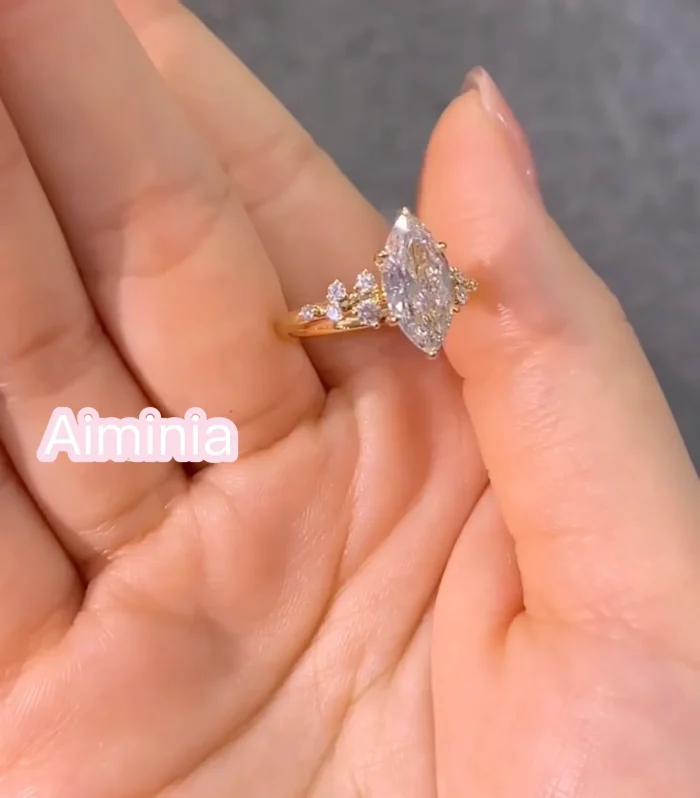


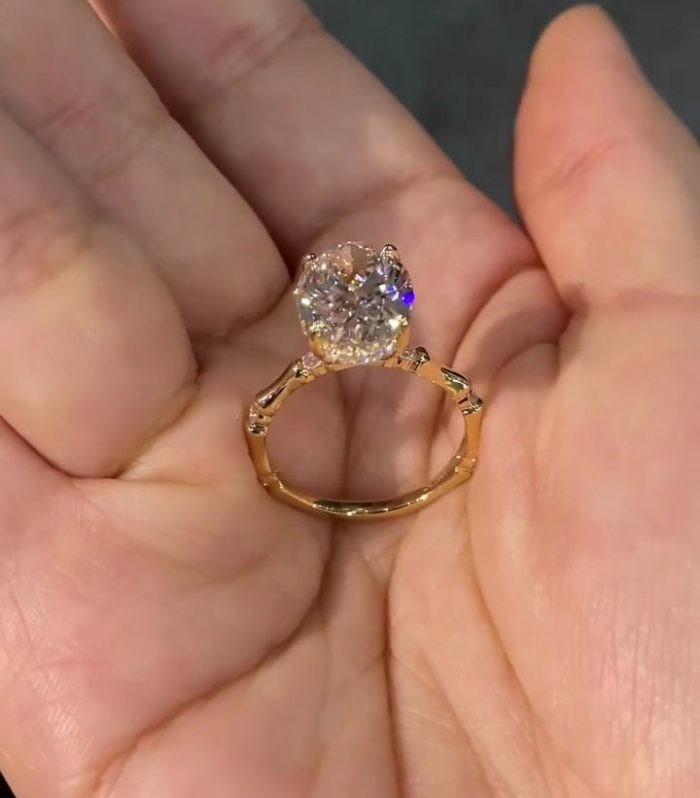

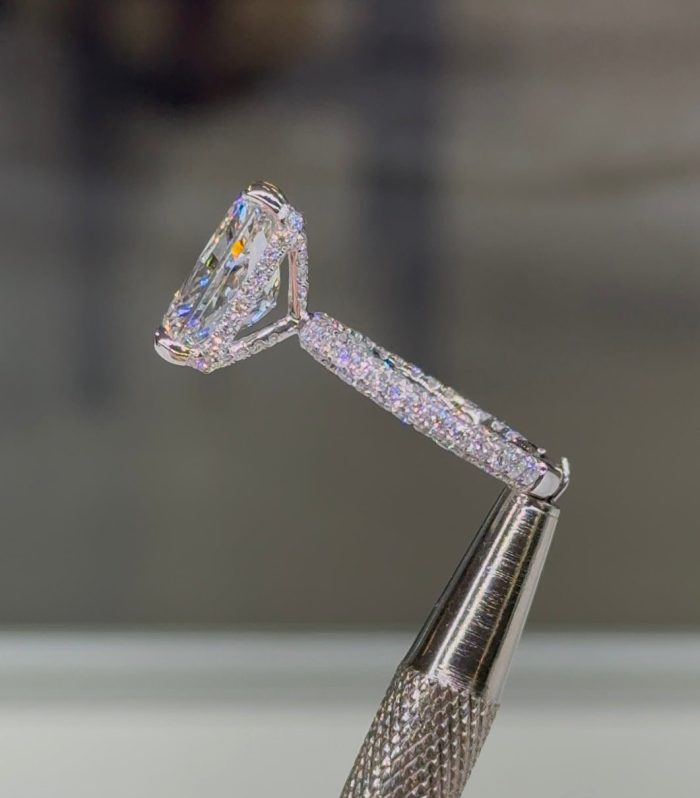 The Raquel Radiant cut
$3,995.00
The Raquel Radiant cut
$3,995.00
 3ct lab pear engagement ring
$2,200.00
3ct lab pear engagement ring
$2,200.00
 4 Carat Total Round Brilliant 4 Prong Studs
$1,695.00
4 Carat Total Round Brilliant 4 Prong Studs
$1,695.00
 1.5ct lab marquee ring
$1,500.00
1.5ct lab marquee ring
$1,500.00
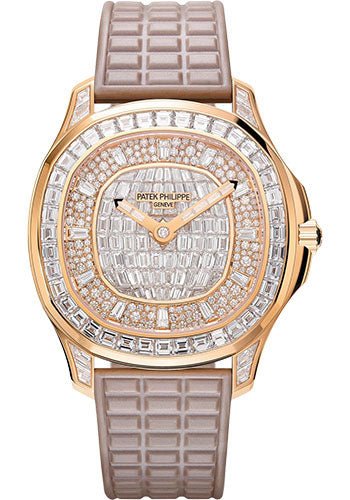 Patek Philippe Aquanaut Luce Haute Joaillerie 38.8mm Rose Gold Diamonds Reference # 5062/450R-001
$301,892.95
Patek Philippe Aquanaut Luce Haute Joaillerie 38.8mm Rose Gold Diamonds Reference # 5062/450R-001
$301,892.95
 Audemars Piguet “50TH ANNIVERSARY” White Dial Rose Gold
$120,756.95
Audemars Piguet “50TH ANNIVERSARY” White Dial Rose Gold
$120,756.95
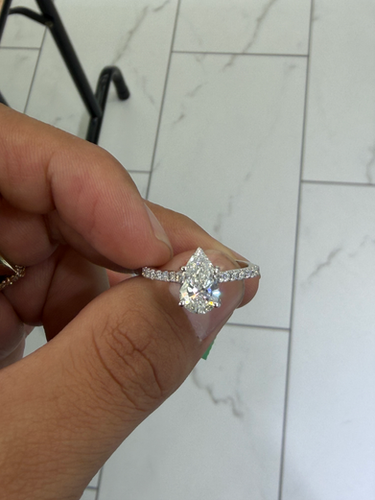 1.5ct lab pear ring
$1,500.00
1.5ct lab pear ring
$1,500.00
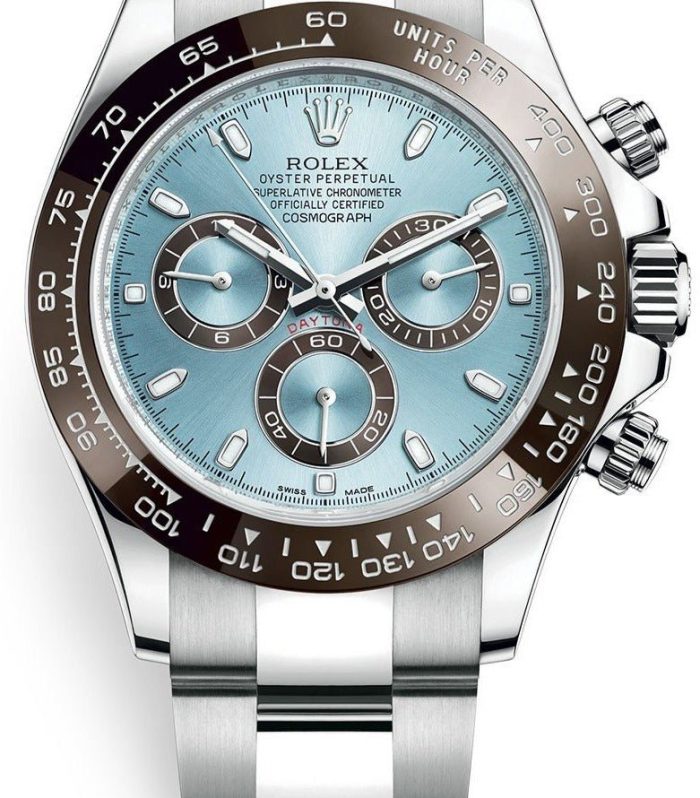 Rolex 950 Platinum Cosmograph Daytona 40 Watch - Ice Blue Index Dial (Ref # 116506)
$86,254.95
Rolex 950 Platinum Cosmograph Daytona 40 Watch - Ice Blue Index Dial (Ref # 116506)
$86,254.95
 2.96ct lab radiant engagement ring
$3,500.00
2.96ct lab radiant engagement ring
$3,500.00
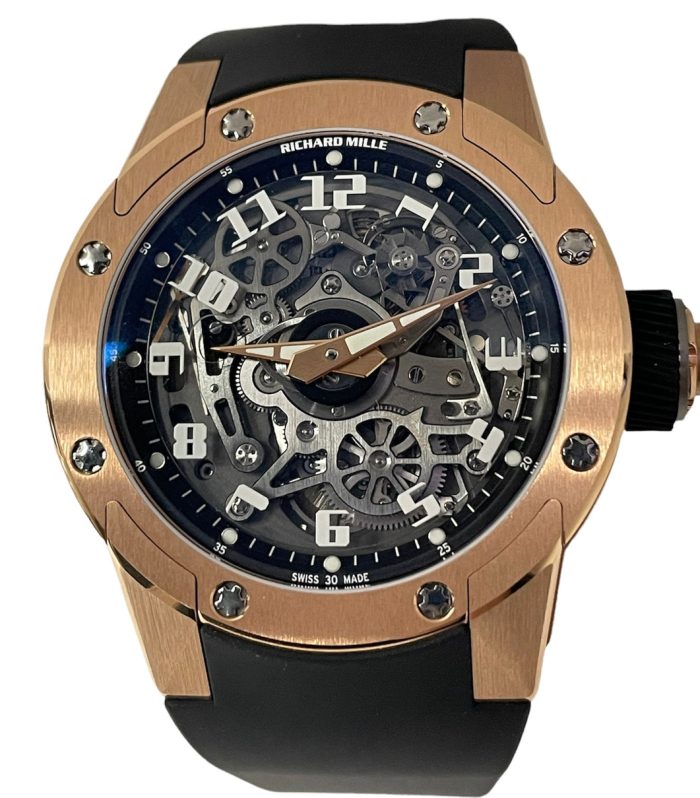 Richard Mille Automatic Winding "Dizzy Hands" (Ref # RM63-01)
$150,946.95
Richard Mille Automatic Winding "Dizzy Hands" (Ref # RM63-01)
$150,946.95
 Patek Philippe Twenty~4 (Ref# 4910/1200A-011)
$16,388.95
Patek Philippe Twenty~4 (Ref# 4910/1200A-011)
$16,388.95
 The Emma
$6,495.00
The Emma
$6,495.00
Reviews
There are no reviews yet.